
South Carolina Tariffs and the Upstate: A Foreign-Investment Engine Under Pressure
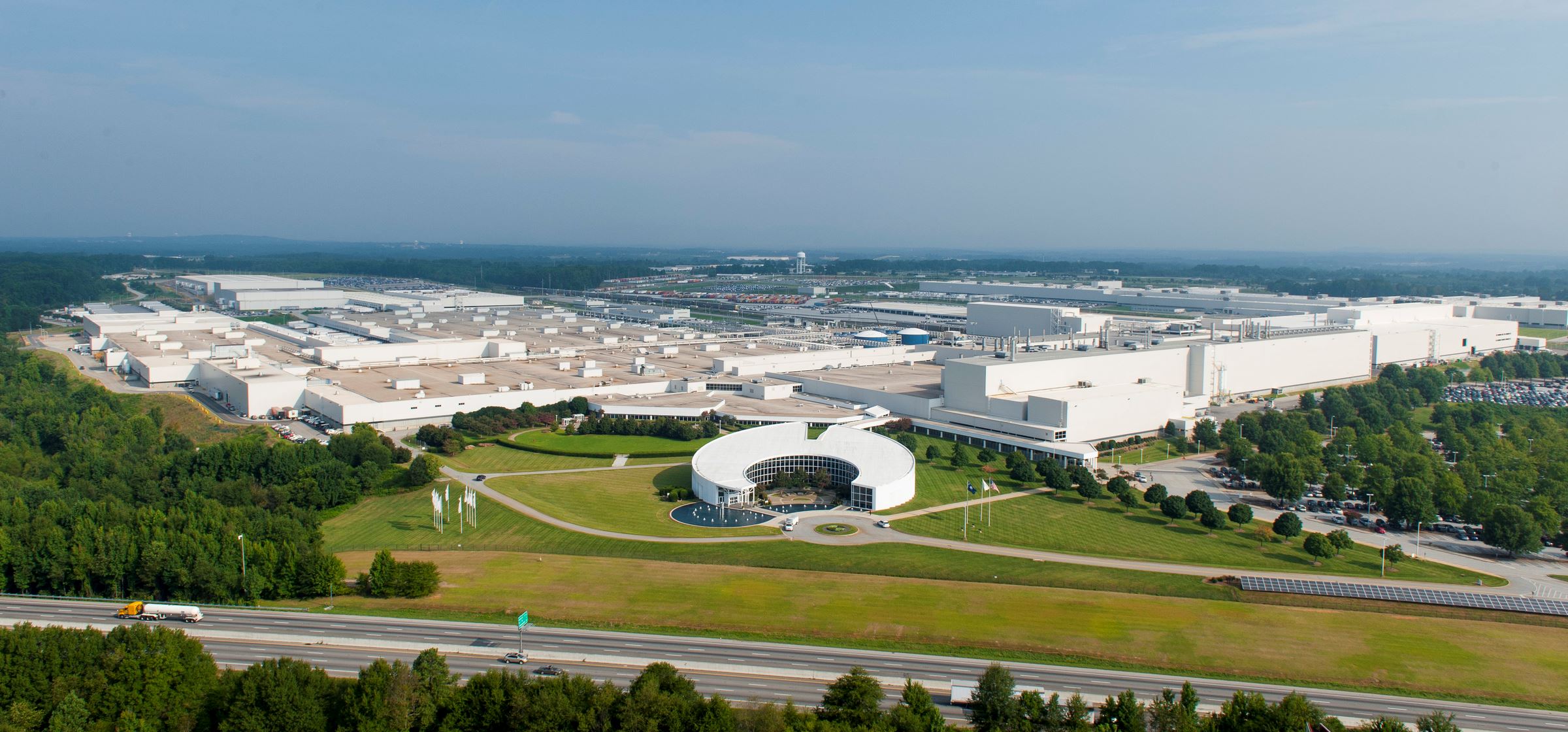
South Carolina tariffs are reshaping Upstate manufacturing in real time. Indeed, the companies that built the modern Upstate came from abroad — not from local capital. They turned the textile-belt counties into one of the country’s most globalized manufacturing regions. Specifically, BMW, Michelin, ZF, Bosch, Adidas, Draexlmaier, Nestlé, and Fujifilm all chose the Upstate. As a result, more than 250 international firms from 28 countries now operate across the region, according to the Greenville Area Development Corporation. Moreover, South Carolina has frequently ranked first in the nation per capita for jobs attracted through foreign direct investment.
How South Carolina Tariffs Hit the Upstate
The Trump administration’s tariff regime is testing that engine directly. For instance, BMW’s Plant Spartanburg — the largest BMW manufacturing site in the world — employs more than 11,000 workers. In 2024, it exported 225,000 vehicles valued at over $10 billion. Consequently, that total makes Plant Spartanburg the United States’ largest vehicle exporter by value. Statewide, BMW, Volvo, and Mercedes-Benz combined to export $10.9 billion in automobiles in 2024 and support more than 80,000 jobs, according to the Federal Reserve Bank of Richmond.
Today’s South Carolina tariffs disrupt the math from both directions. First, higher import duties raise the cost of foreign-made engines and components installed in Spartanburg-built vehicles. Second, retaliatory tariffs raise the price of those same vehicles in overseas markets. Notably, Richmond Fed research projects significant county-level exposure. Ten South Carolina counties could face average effective tariff rates of at least 10 percent. In addition, three counties could face rates of at least 14 percent. Furthermore, the state’s industrial base depends heavily on imported aluminum and steel. China and Germany are the two largest sources of imports flowing through the Port of Charleston.
A Pipeline That South Carolina Tariffs Have Not Stopped
Despite the policy turbulence, recruitment activity remains strong. Indeed, the South Carolina Department of Commerce reported that 2025 announced industry recruitment reached $9.12 billion. Notably, that total marks the third-highest year on record and includes more than 8,100 new jobs. Furthermore, rural counties accounted for over 40 percent of the totals. Specifically, Upstate-area wins included three major projects. Suniva committed $350 million for a Laurens County solar-cell facility. Hydrite Chemical announced a $63 million Laurens expansion. In addition, United Composite Materials invested $17.5 million in a Greenville County operation. However, every new deal now closes under the shadow of South Carolina tariffs and broader trade uncertainty.
What South Carolina Tariffs Mean for Upstate Counsel
The implications of South Carolina tariffs cut across multiple practice areas. For example, international supply-chain contracts typically contain force majeure, change-in-law, and tariff-pass-through clauses. Under a shifting tariff regime, those provisions are likely to be tested in ways they were not before. Customs classifications also warrant fresh review under new duty schedules. Meanwhile, M&A diligence on manufacturing targets increasingly calls for tariff-exposure modeling. Similarly, employment counsel can expect questions about hiring freezes, shift adjustments, and contingent layoff planning if production volumes shift. In short, Upstate firms with automotive-supplier clients are operating in a different policy landscape than they were two years ago.
Of course, the Upstate’s foreign-investment engine has weathered shocks before. The textile collapse of the 1990s and the 2008 financial crisis both tested it. However, this round differs because policy — specifically South Carolina tariffs and the broader federal trade regime — drives the disruption.
Toppe Consulting: Your Partner in Law Firm Growth
At Toppe Consulting, we work exclusively with law firms across the Upstate. Specifically, we help solo practitioners and small firms compete for the clients moving into Greenville every day. Moreover, as South Carolina tariffs continue reshaping the regional economy, Upstate firms positioned in front of the right searches will capture the legal work that follows. Founded by twin brothers Jim and Joe Toppe, our team combines a decade of legal-industry digital marketing with national business journalism credentials.
Our Services Include:
- Law Firm SEO — Organic search strategy built around how prospective clients search for legal help in the Upstate
- Attorney Local SEO — Google Business Profile optimization, map pack visibility, and local citation building for solo and small firms
Ready to grow your firm? Contact Toppe Consulting to discuss positioning your firm in the Upstate’s evolving manufacturing-services market.
About the Author
Jim Toppe is the founder of Toppe Consulting, a digital marketing agency specializing in law firms. He holds a Master of Science in Management from Clemson University and teaches Business Law and Marketing at Greenville Technical College. Jim also serves as publisher and editor for South Carolina Manufacturing, a digital magazine. His unique background combines legal knowledge with digital marketing expertise to help attorneys grow their practices through compliant, results-driven strategies.
Works Cited
Wells, Matthew. “South Carolina’s Globalized Economy.” Econ Focus, Federal Reserve Bank of Richmond, Third Quarter 2025, www.richmondfed.org/publications/research/econ_focus/2025/q3_feature1. Accessed 12 May 2026.
“South Carolina industry recruitment reaches $9.12 billion in 2025.” South Carolina Department of Commerce, 14 Jan. 2026, www.sccommerce.com/news. Accessed 12 May 2026.
Recent Industry News

Your Next Client Is Already Searching. Educational Content Is How They Find You.
Greenville’s Bar Is 126 Years Old. Charleston’s Was Already 201 When It Opened

AALS Convenes National Task Force as the Rules for Becoming a Lawyer Come Apart
Five Retire, Two Replace: The Trades Gap Is Quietly Rewriting Injury Caseloads