
South Carolina’s Population Boom Strains Housing Market as Construction Costs Climb
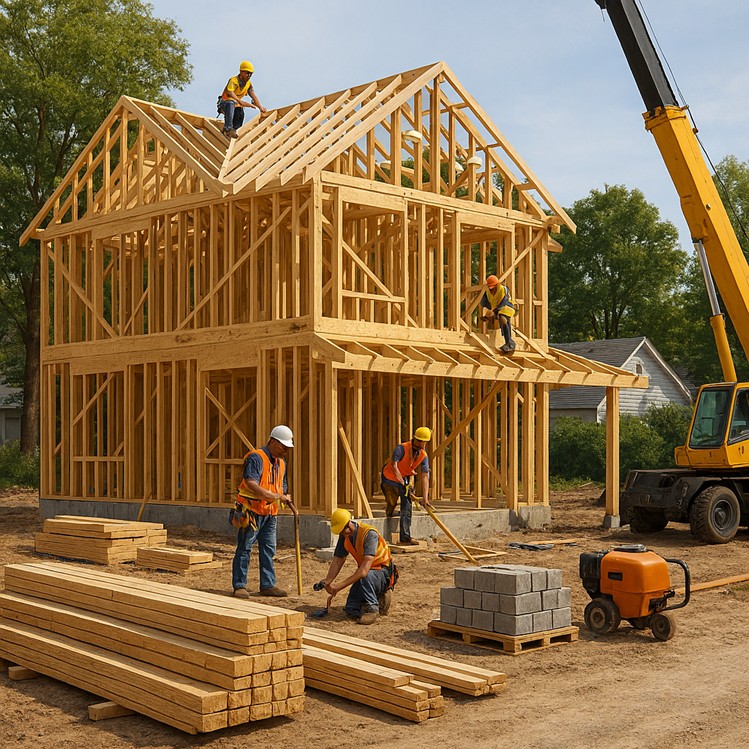
South Carolina’s rapid population growth continues to reshape the state’s housing market, creating intense pressure on both housing supply and affordability.
The state has gained tens of thousands of new residents annually, ranking among the fastest-growing states in the nation, driven by job opportunities, a favorable business climate, and a high quality of life. At the same time, developers are facing a major obstacle: the cost of building a home has risen sharply. Nationwide, the average cost of construction inputs — including materials like lumber, steel, concrete, and essential building components — has jumped roughly 44 % over the five years through 2024. This dramatic increase makes it significantly more expensive to build new homes, slowing the production of affordable housing just as demand surges.
Population Growth and Market Pressure
The influx of new residents has translated into heightened demand for housing in urban and suburban markets such as Charleston, Columbia, and Greenville. This surge has strained the existing housing stock and contributed to rising home prices, especially in areas where available land is limited and demand far outpaced supply. Realtors and developers report bidding wars for new and existing homes, particularly in markets near growing employment centers, creating challenges for first-time buyers and essential workers.
Although builders in South Carolina are active — the state accounts for a disproportionate share of new housing permits relative to its population — supply is still not keeping pace with demand in many regions. Even when construction begins, rising costs for labor and materials often push final prices higher, making it difficult to produce homes that are affordable to moderate-income families.
Rising Construction Costs Compound Affordability Challenges
A key factor worsening the housing crunch is the rising cost of building new homes. The nationwide 44 % increase in construction input costs over the five years through 2024 reflects steep inflation in materials like lumber, steel, concrete, appliances, and other essential components, combined with rising labor expenses. For example, even a modest single-family home that would have been attainable five years ago may now cost tens of thousands of dollars more to build. This escalation directly impacts the price of homes on the market and slows construction of lower-cost units, widening the gap between supply and demand.
Homebuilders and nonprofit housing agencies across South Carolina report that these higher costs are lengthening timelines for building affordable homes and limiting the number of units they can complete each year. Many developers are now forced to focus on higher-end homes to cover costs, leaving the shortage of moderately priced homes unresolved.
Affordable Housing Gaps and Policy Responses
The combination of population growth and higher construction costs has widened the gap between housing supply and the needs of moderate-income residents. Statewide median home listing prices have surged above historic norms, and many households are now spending a disproportionate share of their income on housing, whether renting or buying.
To address these pressures, state housing officials have launched initiatives such as the Made It Home! program, which offers incentives to builders and down-payment assistance to buyers in an effort to expand the supply of moderately priced single-family homes. Local governments and nonprofit organizations are also exploring creative approaches such as accessory dwelling units, mixed-income developments, and land-use reforms to encourage more affordable construction.
Infrastructure Needs and Long-Term Planning
The housing affordability crisis intersects with broader infrastructure concerns. Rapid population growth increases demand on roads, utilities, public transit, schools, and healthcare services, prompting municipalities to seek funding and strategic planning to accommodate future residents. Without coordinated investment in infrastructure, communities risk worsening congestion and declining service quality, which in turn can make housing development — particularly affordable housing — even more challenging.
Urban and regional planners in the Tri-County area (Berkeley, Charleston, and Dorchester counties) and other growth corridors are actively evaluating long-term strategies to balance housing development with transportation, water, and energy needs. These plans are critical to ensuring that rapid population growth does not outpace the community’s ability to maintain quality of life for residents.
Outlook
Experts caution that unless housing supply expands more quickly and construction costs stabilize, South Carolina’s housing affordability issues may persist or worsen in the coming years. The combination of strong in-migration, high construction input costs, and limited affordable housing options creates a challenging environment for families and workers. Continued collaboration among policymakers, developers, community organizations, and financial institutions will be essential to balance growth with sustainable, equitable housing development.
Recent Industry News

UnDesked Targets Manufacturing Labor Gap with AI Translation Platform

7 Real worker injuries that’ll make you cringe

Will the Bermuda Triangle Claim Another Victim — and Leave Greenville With Egg on Its Face?
6 Rotten reasons injured workers need an attorney