
Tax Season 2025: How the Big Beautiful Bill Act is Changing the Filing Experience

Toppe Consulting – Your Source for Digital News & Trends in the Legal Industry
A New Tax Landscape for 2025 Filers
Tax season 2025 brings the most significant changes to individual and business tax filing in nearly a decade. The One Big Beautiful Bill Act, signed into law on July 4, 2025, overhauled multiple sections of the tax code that directly affect how Americans file their returns this spring.
The legislation made permanent the individual tax rate cuts from the 2017 Tax Cuts and Jobs Act that had been scheduled to expire. It also introduced entirely new deductions for tips, overtime pay, car loan interest, and seniors. For business owners, the qualified business income deduction is now a permanent fixture of the tax code rather than a temporary provision.
According to the IRS overview of OBBBA provisions, the agency has been updating forms and guidance throughout the fall to prepare for the 2025 filing season. Taxpayers will encounter new schedules and modified instructions when they sit down to file.
Tax attorneys and CPAs are fielding questions from clients trying to understand how these changes affect their specific situations. The answers depend heavily on income levels, employment types, and business structures.
Individual Tax Provisions Taking Effect
The TCJA rate cuts are now permanent. The seven tax brackets remain at 10%, 12%, 22%, 24%, 32%, 35%, and 37%. The higher standard deduction amounts also continue, with 2025 figures adjusted for inflation.
New for 2025 are the deductions targeting specific income types. Workers who receive tips can deduct up to $25,000 of qualified tip income. Those earning overtime can deduct up to $12,500 of the overtime premium portion of their pay, or $25,000 for joint filers. Both deductions phase out for higher earners starting at $150,000 for single filers and $300,000 for joint filers.
The IRS created Schedule 1-A to consolidate these new deductions along with the car loan interest deduction and enhanced senior deduction. Service industry workers and those regularly working overtime hours should review No Tax on Tips and Overtime: What Service Workers Need to Know for 2025 Filing for detailed guidance on claiming these benefits.
These individual provisions are temporary, applying only to tax years 2025 through 2028. Congress would need to act to extend them beyond that window.
Business Tax Changes With Lasting Impact
Pass-through business owners gained the most certainty from OBBBA. The Section 199A qualified business income deduction, which allows eligible taxpayers to deduct up to 20% of their qualified business income, had been set to expire after 2025. It is now permanent.
The Tax Foundation analysis estimates that making the QBI deduction permanent represents one of the largest revenue impacts in the legislation. The change provides long-term planning certainty for sole proprietors, partnerships, and S corporation shareholders.
OBBBA also expanded the income ranges where QBI limitations phase in. Starting in 2026, the phase-in window increases from $50,000 to $75,000 for single filers and from $100,000 to $150,000 for joint filers. A new $400 minimum deduction helps smaller businesses that might otherwise see their deduction reduced to zero.
Business owners and the attorneys advising them should review The Permanent QBI Deduction: What Small Business Owners Should Know About OBBBA for complete details on these changes and planning considerations.
What Filers Should Prepare For
The 2025 filing season requires attention to new forms and documentation requirements. Workers claiming the tips or overtime deductions need records supporting their claimed amounts, as 2025 W-2 forms were not updated to separately report these figures.
Key preparation steps include:
- Gathering pay stubs and earnings statements showing overtime hours and amounts
- Maintaining tip logs or reviewing Forms 4070 submitted to employers
- Confirming FLSA coverage status with employers for overtime deduction eligibility
- Reviewing business income calculations for QBI deduction optimization
The IRS issued Notice 2025-69 providing transition relief and guidance for the first year of these new deductions. Employers received penalty relief for 2025 reporting, but workers remain responsible for substantiating their deduction claims.
Tax professionals should expect client questions about these provisions throughout the filing season. The combination of permanent changes and temporary new deductions creates a complex landscape that varies significantly based on individual circumstances.
Toppe Consulting Services
Toppe Consulting helps law firms create digital marketing strategies that position attorneys as trusted resources on complex topics like tax law changes. Our content team develops materials that demonstrate expertise and attract clients seeking professional guidance.
About the Author
Jim Toppe is the founder of Toppe Consulting, a digital marketing agency specializing in law firms. He holds a Master of Science in Management from Clemson University and teaches Business Law and Marketing at Greenville Technical College. Jim also serves as publisher and editor for South Carolina Manufacturing, a digital magazine. His unique background combines legal knowledge with digital marketing expertise to help attorneys grow their practices through compliant, results-driven strategies.
Works Cited
“One Big Beautiful Bill Provisions.” Internal Revenue Service, www.irs.gov/newsroom/one-big-beautiful-bill-provisions.
“One Big Beautiful Bill Act: Details and Analysis of Tax Changes.” Tax Foundation, taxfoundation.org/research/all/federal/one-big-beautiful-bill-act-tax-changes/.
Related Articles
Recent Industry News

Will the Bermuda Triangle Claim Another Victim — and Leave Greenville With Egg on Its Face?
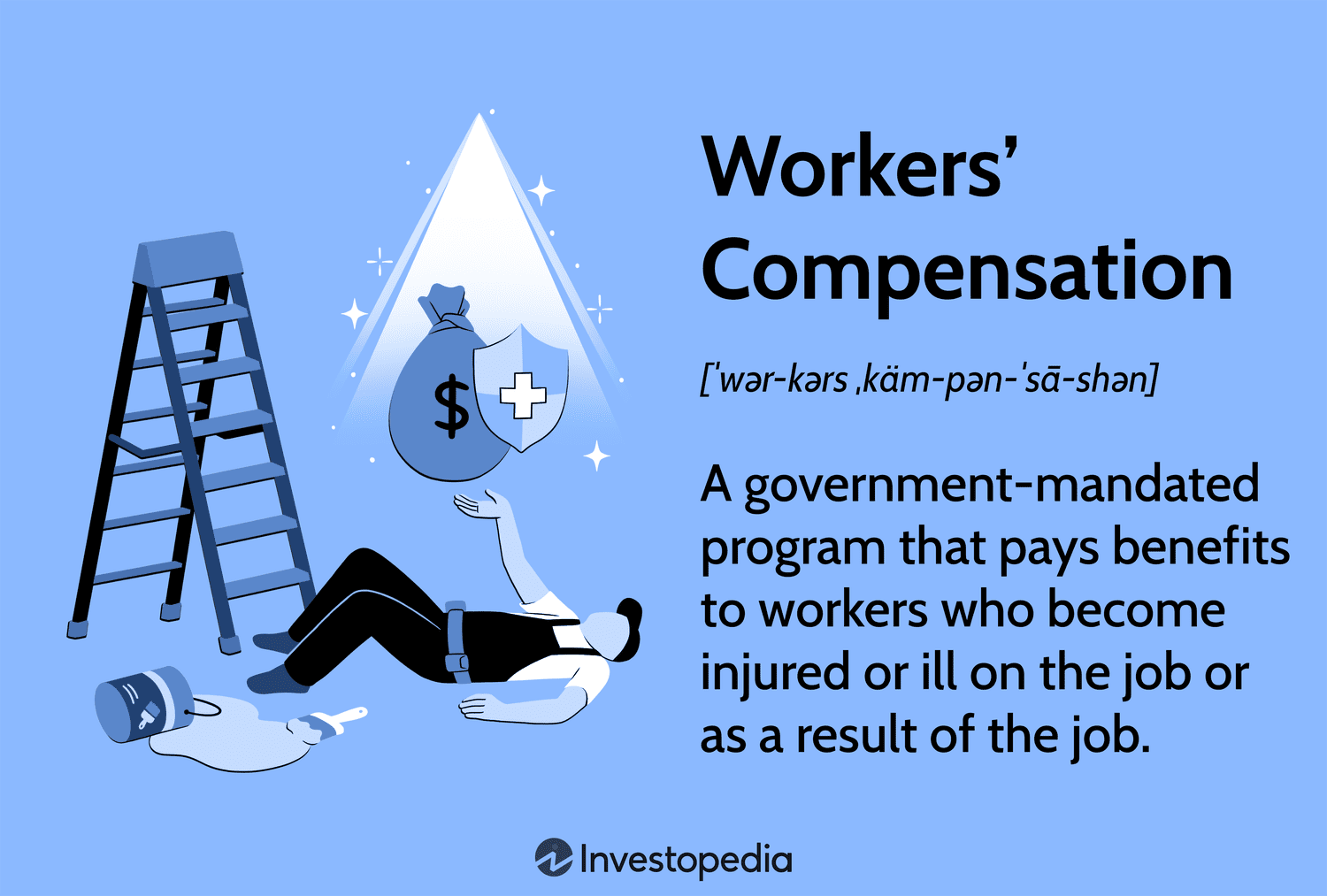
6 Rotten reasons injured workers need an attorney
Downtown Greenville, 2030, A Data-Driven Look at What Three Simultaneous Mega-Projects Will Have Built and What They Will Have Changed Forever

Greenville’s $500 Million Falls Park Conference District Is the Most Ambitious Development Bet in the City’s Modern History, And the Data Says It’s Long Overdue
