
How Tariffs Are Crushing Small Businesses in 2026 — And What Owners Can Do
Toppe Consulting – Your Source for Digital News & Trends in the Legal Industry
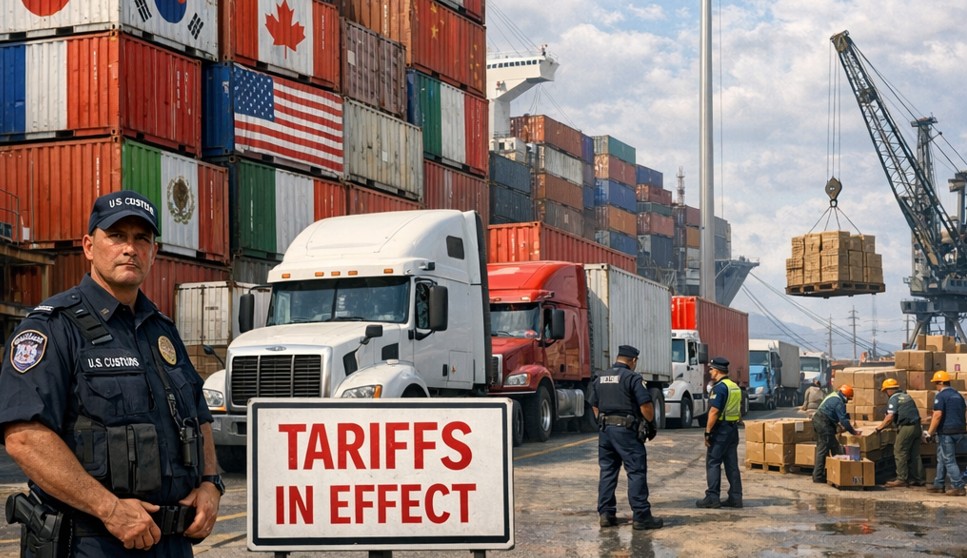
Small businesses across America face a brutal financial squeeze in 2026. Record tariffs, rising costs, and limited lending options have created a perfect storm threatening the 36.2 million small businesses that employ nearly half the private workforce.
Small Businesses Bear the Heaviest Burden
The numbers tell a stark story. According to the SBA Office of Advocacy’s February 2026 report, small businesses employ 62.3 million Americans and generate 43.5% of GDP. These same businesses now shoulder the heaviest tariff burden in modern history.
The National Retail Federation reports that 97% of U.S. companies importing goods are small businesses. Unlike large corporations with dedicated trade compliance teams and deep cash reserves, small operators lack the resources to absorb sudden cost increases.
One North Carolina entrepreneur profiled by NPR this week watched his tariff bills hit $800,000 last year — five times his normal budget. His product, manufactured in China, faced duties exceeding 150% at one point. To stay in business, he turned to high-cost merchant cash advances that pushed his total debt past $1.2 million.
Profitability Has Collapsed
Cash flow problems have become endemic. The Bluevine 2026 Business Owner Success Survey found only 30% of small business owners exceeded profitability expectations in 2025, down from 57% the previous year. Meanwhile, 80% report inflation remains a persistent challenge.
For small businesses already stretched thin, understanding the legal landscape around tariffs becomes critical. The Supreme Court Tariff Case: What Business Owners Need to Know. The pending Supreme Court decision could reshape obligations overnight.
The OnDeck Q4 2025 Cash Flow Trend Report shows 31% of small business owners cite inflation as their top concern, while 29% point to cash flow challenges. Nearly two-thirds of respondents plan to seek additional capital in early 2026.
Traditional Lenders Offer Little Help
Traditional banks offer little relief. The Federal Reserve’s Small Business Credit Survey indicates nearly two-thirds of small businesses seeking loans get turned down by traditional lenders. This rejection rate pushes many toward predatory alternatives.
Managing costs effectively matters more than ever. Cash Flow Crisis: Why Small Businesses Are Struggling This Year. Understanding available resources can mean the difference between survival and closure.
New and small law firms face these identical pressures. Every dollar spent on marketing must generate measurable returns. Building a professional online presence that attracts clients efficiently becomes essential when margins are this tight. Toppe Consulting specializes in website development and SEO specifically for attorneys launching or growing their practices.
About Toppe Consulting
Toppe Consulting provides digital marketing services exclusively for law firms. Our team helps solo practitioners and small firms compete online through professional websites, SEO, and targeted advertising.
Works Cited
“Frequently Asked Questions About Small Business 2026.” U.S. Small Business Administration Office of Advocacy, 3 Feb. 2026, advocacy.sba.gov/2026/02/03/frequently-asked-questions-about-small-business-2026/.
Flood, Sydney. “The Hidden Costs of Tariffs on Small Businesses.” National Retail Federation, 18 July 2025, nrf.com/blog/the-hidden-costs-of-tariffs-on-small-businesses.
Related Articles
- Cash Flow Crisis: Why Small Businesses Are Struggling This Year
- The Supreme Court Tariff Case: What Business Owners Need to Know
Recent Industry News

UnDesked Targets Manufacturing Labor Gap with AI Translation Platform

7 Real worker injuries that’ll make you cringe

Will the Bermuda Triangle Claim Another Victim — and Leave Greenville With Egg on Its Face?
6 Rotten reasons injured workers need an attorney