

Choosing the right white label PR partner is the single decision that determines whether your law firm agency’s PR offering succeeds or fails. Furthermore, the wrong choice produces poor placements, frustrated law firm clients, and a damaged agency reputation that takes years to rebuild. Consequently, most agencies that struggle with white label legal PR trace the problem back to a partner selection decision made on price rather than on credentials, track record, and journalism expertise. Therefore, this post gives every law firm marketing agency a complete vetting framework for evaluating every PR partner candidate before committing a single client relationship to their execution.
Why Choosing the Right White Label PR Partner Is So Consequential
The partner you select executes work that carries your agency’s name. Furthermore, every pitch they write, every journalist they contact, and every placement they earn — or fail to earn — reflects directly on your agency’s reputation with your law firm clients. Consequently, a poor partner does not just underdeliver on PR metrics. They damage the trust your agency spent years building with clients who were counting on you to vet the partner correctly. Therefore, treat this decision with the same diligence you would apply to hiring a senior member of your own team.
What Makes Legal PR Different From General PR
Legal PR operates under a different set of requirements than consumer or corporate PR. Furthermore, journalists who cover legal matters have specific expertise expectations from their attorney sources. Consequently, a partner with general PR experience but no legal market background consistently underperforms compared to one with deep legal media relationships. Therefore, legal PR experience is not a nice-to-have. It is the foundational requirement every other criterion builds on.
Why Newsroom Experience Matters in a White Label PR Partner
The single most predictive factor in PR partner performance is the journalism credentials of the team executing the media pitching. Furthermore, Joe Toppe spent two decades as a journalist at Fox Business Network, Capital.com London, and Innovation & Tech Today. He was the journalist deciding which pitches earned coverage and which went straight to the trash. Consequently, that insider perspective produces pitch strategies and journalist relationships that practitioners without newsroom experience cannot replicate. Therefore, the first question in every partner evaluation must be — what journalism credentials does the team executing this work actually hold.
The bottom line: The partner selection decision determines whether your PR offering succeeds or fails. Treat it with the diligence it deserves.
The Five Criteria for Vetting a White Label PR Partner
Vetting a partner correctly requires evaluating five distinct criteria in a specific sequence. Furthermore, evaluating them out of sequence or skipping any of them produces an incomplete picture. That incomplete picture leads to poor selection decisions. Consequently, agencies that apply this framework consistently select better partners and retain law firm clients longer. Therefore, work through all five criteria before making any partner commitment. Understanding how to structure and price that partnership once selected is covered in White Label PR Pricing for Legal Marketing Agencies.
Criterion 1 — Journalism Credentials
Ask for the specific journalism background of every team member who will execute media pitching. Furthermore, verify those credentials independently. Check published bylines, LinkedIn profiles, and portfolio links before accepting a verbal claim. Consequently, a partner whose team includes former journalists at credible publications starts with a genuine credibility advantage. Therefore, if journalism credentials are absent or weak, the evaluation ends there.
Criterion 2 — Legal Market Experience
Ask how many law firm PR clients the partner currently serves and how long they have served them. Furthermore, ask for specific examples of legal media placements — actual links to published articles or trade journal features, not marketing case studies. Consequently, a partner who cannot provide specific legal market placement examples has not earned the right to execute on your law firm clients’ behalf. Therefore, legal market experience must be documented with concrete placement evidence — not described in general terms.
Criterion 3 — Placement Quality and Domain Authority
Not all media placements carry equal value. Furthermore, a placement in a regional business journal with high domain authority produces significantly more SEO and credibility value than a placement in a low-authority blog. Consequently, ask every candidate to share the average domain authority of publications their placements typically appear in. According to the Poynter Institute, media credibility is directly correlated with editorial standards and audience trust. Both are reflected in domain authority metrics. Therefore, evaluate placement quality alongside placement volume. Reject partners whose placements consistently land in low-authority outlets.
Criterion 4 — Reporting Standards
Ask to see an example of a monthly placement report before signing any agreement. Furthermore, a strong report documents every placement with the publication name, the live link, the domain authority of the outlet, the date of publication, and a clear connection to business outcomes. Consequently, a partner whose reporting consists of a bulleted list without domain authority data or business outcome context is not producing reporting that will retain your law firm clients long-term. Therefore, reporting standards are a direct window into how seriously a partner takes client accountability.
Criterion 5 — Communication and Responsiveness
Your partner is an extension of your agency’s delivery team. Furthermore, slow responses, missed deadlines, and unclear communication all create client service problems your agency must then manage. Consequently, evaluate responsiveness during the sales process itself. How quickly they respond to your inquiries previews how they will perform in an active engagement. Therefore, a partner who is difficult to communicate with during the sales process will be more difficult once you have committed your client relationships to their execution.
The bottom line: Evaluate journalism credentials, legal market experience, placement quality, reporting standards, and responsiveness — in that order. A partner who clears all five is worth committing to.
White Label PR Partner Red Flags That End the Evaluation Immediately
Certain behaviors during the evaluation signal disqualifying problems that no other positive attribute can overcome. Furthermore, recognizing these red flags early prevents agencies from committing client relationships to partners who will eventually damage them. Consequently, any single red flag on this list is sufficient reason to end the evaluation. Therefore, treat these as non-negotiable disqualifiers.
Placement Guarantees Signal a Problem
Any partner who guarantees a specific number of placements per month is misrepresenting how journalism works. Furthermore, legitimate placements are earned through journalist relationships and genuine newsworthiness — not manufactured through volume promises. Consequently, placement guarantees signal that a partner prioritizes sales over delivery integrity. Therefore, end the evaluation immediately when you encounter a placement guarantee.
Inability to Show Live Placements
A partner who cannot provide links to live, published placements earned for law firm clients has not earned the right to execute on your clients’ behalf. Furthermore, case studies and testimonials are not substitutes for actual published work. Consequently, the inability to provide live placement links is the clearest signal that a partner’s track record does not support their claims. Therefore, require live placement links as a non-negotiable condition of any evaluation.
Vague Answers to Specific Questions
Strong partners answer specific questions specifically. Furthermore, vague answers about pitch volume, journalist relationships, and reporting processes signal a capability gap. Consequently, press for specificity on every criterion. Treat evasive answers as disqualifying red flags. Therefore, the quality of a partner’s answers to your questions is as revealing as any placement example they share.
The bottom line: Placement guarantees, inability to show live placements, and vague answers are immediate disqualifiers. End the evaluation and move on.
How to Structure the Final White Label PR Partner Decision
After applying the five-criterion framework and eliminating partners who triggered red flags, most agencies will have one to three candidates worth serious consideration. Furthermore, the final decision should be based on journalism credential depth, legal market placement quality, and cultural fit with your agency’s communication standards. Consequently, the partner whose credentials are deepest and whose placements are strongest is the right choice. Therefore, make the final decision on substance — not on price or sales presentation quality.
Piloting Before Committing at Scale
Consider piloting a partner on one law firm client before committing your full client base. Furthermore, a one-client pilot gives your agency direct evidence of actual performance — pitch quality, journalist responsiveness, placement results, and reporting standards — before the relationship scales. Consequently, a partner who performs well in a pilot earns the right to serve more of your clients. One who underperforms reveals problems far less expensive to address before they affect your full client base. Therefore, build a pilot clause into your initial agreement and use it deliberately.
Documenting the Partnership Agreement
Every partnership must be governed by a written agreement. Furthermore, that agreement must specify scope, deliverables, reporting format, communication standards, confidentiality obligations, and the process for addressing underperformance. Consequently, a clear written agreement protects your agency’s client relationships, your proprietary client information, and your ability to transition to a different partner if performance does not meet the agreed standard. Therefore, never begin a partnership without a signed agreement that covers all of these elements.
The bottom line: Pilot before committing at scale. Document every agreement in writing. Both steps protect your agency’s reputation and your clients’ results.
The Bottom Line on Choosing the Right White Label PR Partner
The right partner builds your agency’s reputation with every placement they earn. Furthermore, the wrong one damages it with every placement they fail to earn. Recognizing this distinction before you commit is the entire purpose of the vetting framework in this post. Consequently, apply all five criteria, watch for all three red flags, pilot before scaling, and document every agreement in writing. Therefore, the minimum standard every law firm marketing agency should apply before committing a client relationship to any partner is exactly what this post has outlined.
What Law Firm Agencies Should Expect From a White Label PR Deliverable covers exactly what strong execution looks like in practice. Furthermore, knowing what excellent looks like is as important as knowing how to select the partner who can deliver it. Consequently, that benchmark protects your agency’s clients and reputation simultaneously. Therefore, set the standard before the first pitch is written — and hold your partner to it from day one.
Recent Industry News

Will the Bermuda Triangle Claim Another Victim — and Leave Greenville With Egg on Its Face?
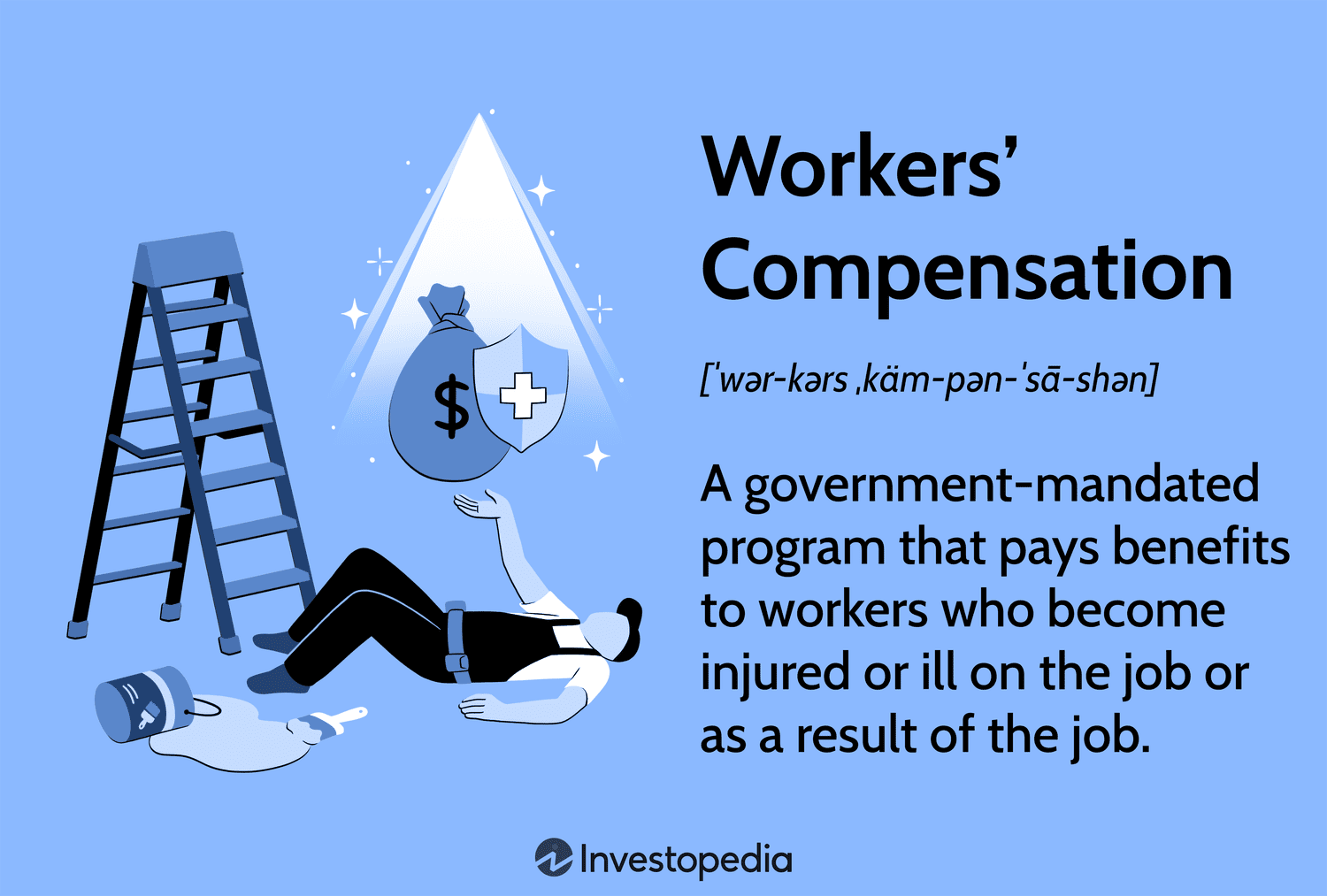
6 Rotten reasons injured workers need an attorney
Downtown Greenville, 2030, A Data-Driven Look at What Three Simultaneous Mega-Projects Will Have Built and What They Will Have Changed Forever

Greenville’s $500 Million Falls Park Conference District Is the Most Ambitious Development Bet in the City’s Modern History, And the Data Says It’s Long Overdue
